
What is a tracking number, and why your AI receptionist needs one
If you've ever wondered how some businesses always seem to know exactly which ad or which Google search brought in a call, the answer is usually one small thing: a tracking number. It sounds technical, but the idea is simple. And if you use an AI receptionist to answer your calls, that tracking number is also the bridge that lets the AI pick up in the first place. Let's walk through what it is, why it matters, and how the whole chain fits together — no tech background needed.
First, what is a tracking number?
A tracking number is just a regular phone number. To your customers, it looks and works like any other number — they dial it, it rings, someone answers. The difference is what happens behind the scenes. A tracking number is set up to record information about each call: who called, when, how long they stayed on, and most importantly, where the call came from.
Think of it like a forwarding address. Your real business number stays exactly where it is. The tracking number sits in front of it, quietly noting down every call that passes through, then sending the call on to wherever you want it to go — your cell phone, your office, or, in this case, your AI receptionist.
The short version
A tracking number is a normal-looking phone number that watches your calls and forwards them to the right place. Your customers never notice a difference.
Why you need one at all
Most home service owners run their whole business off one number — usually a personal cell. That works fine until you want to know something simple, like: are these calls coming from my Google listing, my website, or that flyer I handed out last week? With a single number, you can't tell. Every call looks the same.
A tracking number fixes that. You can put one tracking number on your Google Business Profile, a different one on your website, and another on a printed ad. Now every call is tagged with where it came from. Over time, that tells you what's actually bringing in jobs — and what's wasting your money. It also means you can keep your personal cell private and give out a number that's truly for the business.
- See which source (Google, website, ads) brings in the most real calls
- Keep your personal cell number private
- Know which calls turned into booked jobs and which were time-wasters
- Stop guessing about your marketing and start measuring it
How it connects to your AI receptionist
Here's where the tracking number earns its keep. Your AI receptionist can't answer a call unless the call reaches it. The tracking number is how you make that happen — without changing the number your customers already know.
The setup is a simple chain. A customer dials the number they see (your tracking number). The tracking number forwards the call to your AI receptionist. The AI answers, has the conversation, screens out spam, and captures the job details. Then it sends you a tidy summary on your phone so you know exactly what the customer needs before you call them back.
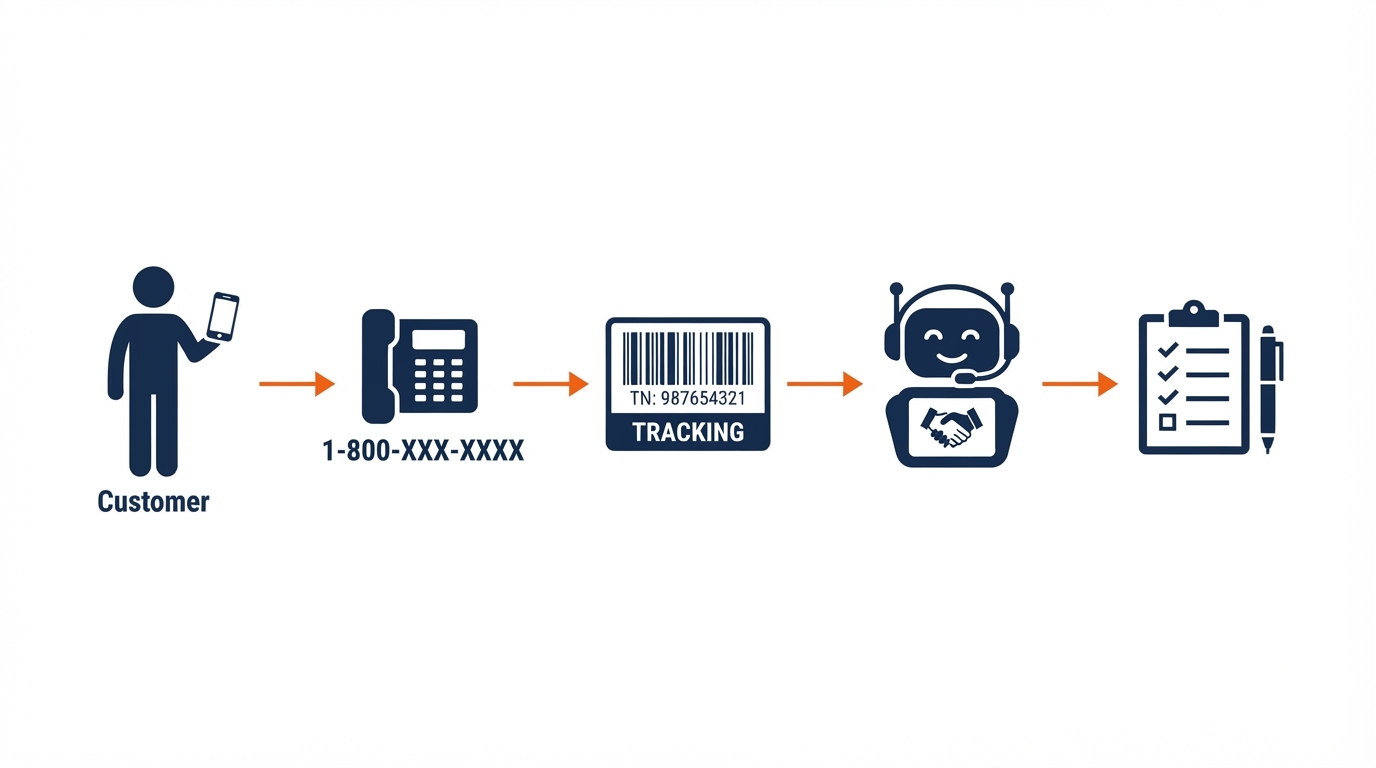
The call-forwarding chain, step by step
If you like knowing exactly what happens when a customer calls, here's the whole journey in plain terms. Nothing here requires you to touch any settings yourself — we set it all up — but it helps to picture it.
- 1A customer finds you on Google or your website and dials the number listed there — your tracking number.
- 2The tracking number instantly forwards the call to your AI receptionist, so the phone is picked up on the first ring, every time.
- 3The AI receptionist answers in a friendly, natural voice using your business name and services, and asks the right questions about the customer's problem and location.
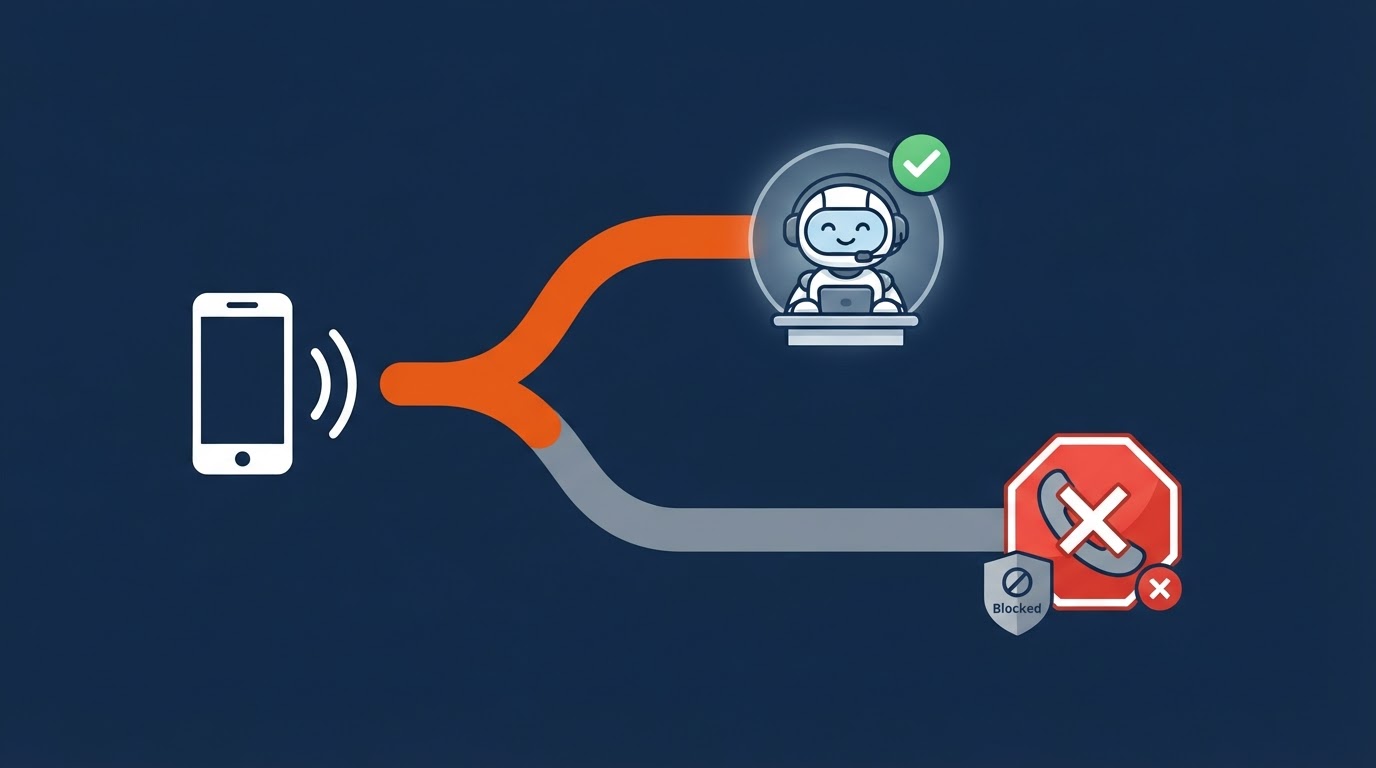
- 4Spam and sales calls are recognized and filtered out, so they never reach you — only real customers do.
- 5The call details and a short summary are sent to your phone through your workflow, so you can follow up with everything you need to know.
The key thing to notice: your customer dials one number, and the call quietly travels through the tracking number to the AI receptionist and into your workflow. To the customer, it just feels like a fast, professional answer. To you, it feels like every call got handled without you having to stop what you were doing.
What about my real phone number?
A common worry is that switching to a tracking number means losing the number customers already have. You don't. Your existing business number stays yours. The tracking number is simply placed in front of it on the places customers find you — your Google listing, your website, your ads. Calls come in through the tracking number, get answered by the AI, and the details land in your workflow. If you ever want to change anything, your original number is untouched.
What this means for your day
More calls get answered because the AI picks up instantly. Spam stops interrupting you. And you finally know which of your marketing is actually paying for itself — because every call is tagged with where it came from.
The bottom line
A tracking number isn't a flashy feature. It's the quiet piece that makes two big things possible at once: knowing where your calls come from, and making sure every one of them gets answered. Pair it with an AI receptionist, and you've built a front desk that never takes a break, never misses a ring, and tells you exactly what's working — all without hiring anyone.
Keep reading
Why an AI receptionist beats a real one (and where it works beside one)
An AI receptionist never calls in sick, never takes a lunch break, and never gets rattled by an angry caller. Here's how it stacks up against a human — and where the two work best together.
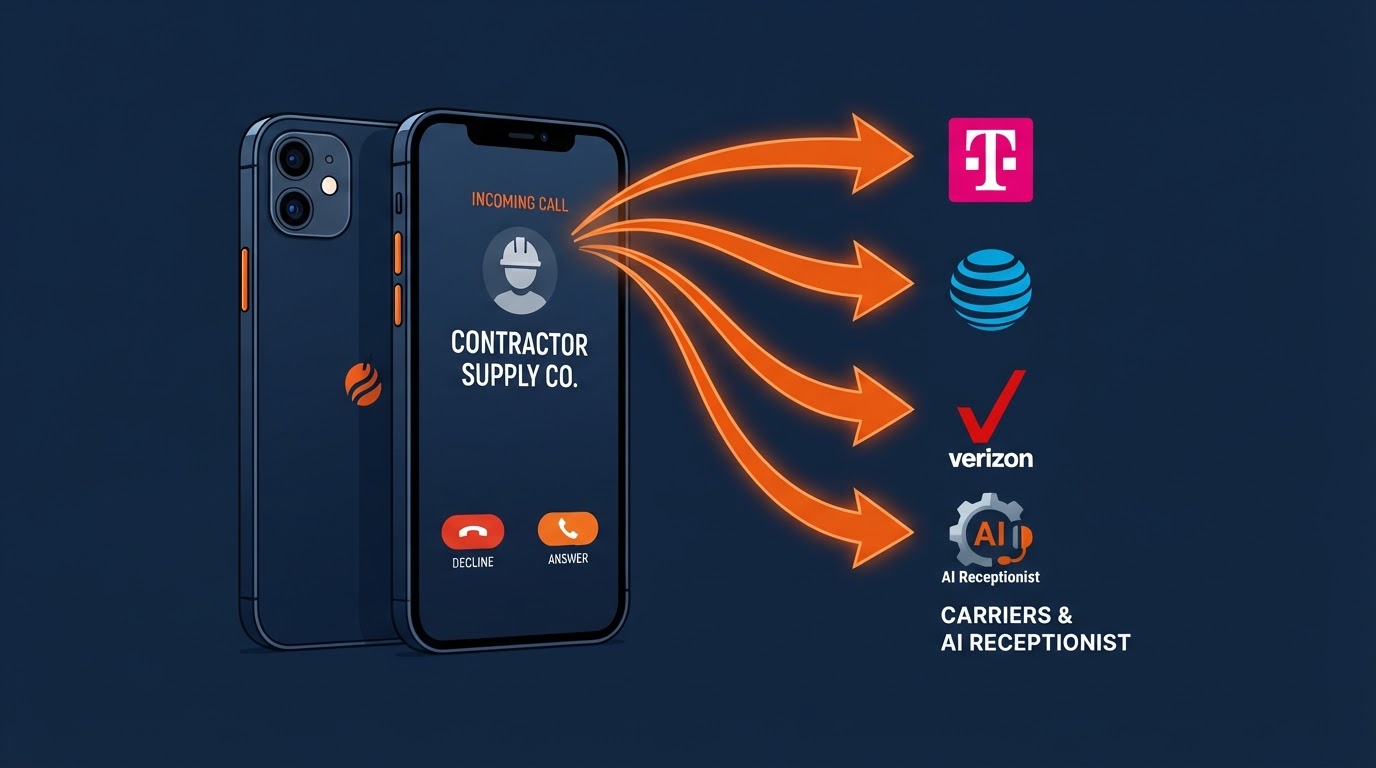
How to Set Up Call Forwarding on AT&T, Verizon & T-Mobile
A simple, step-by-step guide for non-tech owners to forward customer calls from AT&T, Verizon, T-Mobile, and more straight to your tracking number or 24/7 AI receptionist.
The photos and videos that win you local jobs
Real photos and short clips of your work do more than fill a page — they build trust, keep your Google listing active, and help you rank higher. Here's what to capture and why consistency is the real secret.