
Why an AI receptionist beats a real one (and where it works beside one)
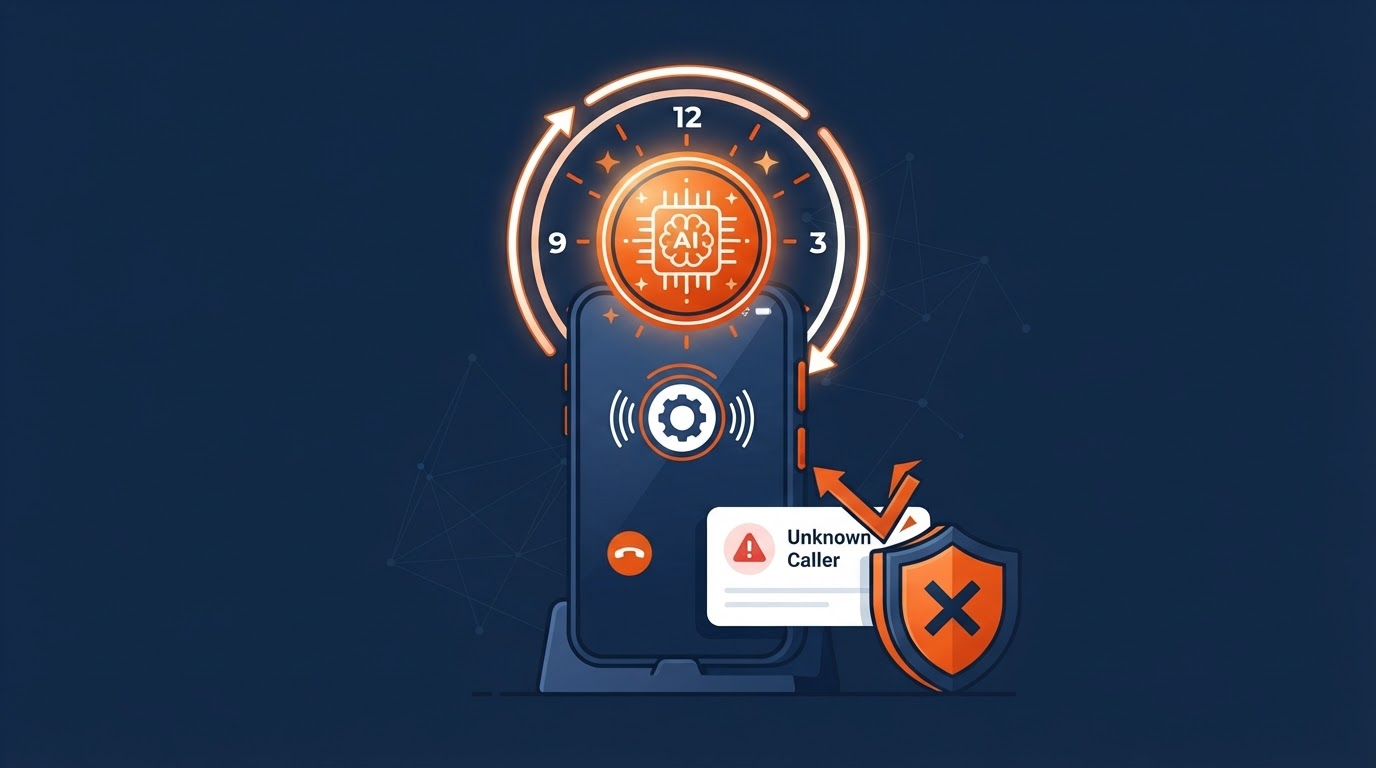
If you run a home service business, your front desk is your first impression. Every call you miss is a job that goes to the next company on the list. For most owners, the answer has always been the same: hire a receptionist. But a receptionist is a person, and people come with a whole set of problems a business has to work around. They need breaks, they get sick, they quit, and they cost a steady paycheck plus benefits. An AI receptionist solves most of those problems without giving up the warm, helpful voice your customers expect when they call.
This isn't about replacing people for the sake of it. It's about putting someone — or something — on the phone who is always ready to answer, always patient, and never costs you a job because they had a bad day. Here's a plain-English look at where an AI receptionist beats a real one, and where it actually works best right alongside one.
It answers 24/7 — weekends, holidays, and 2 AM emergencies
A human receptionist works the hours you pay them to work. If your front desk goes home at five, every call after that rolls to voicemail. For an HVAC company in the middle of a July heatwave, or a plumber with a burst pipe at midnight, those after-hours calls are often the highest-paying jobs of the week — the ones a customer is desperate enough to call about right now. An AI receptionist doesn't have a clock. It picks up on the first ring at 9 AM, 9 PM, on Christmas morning, and every minute in between.
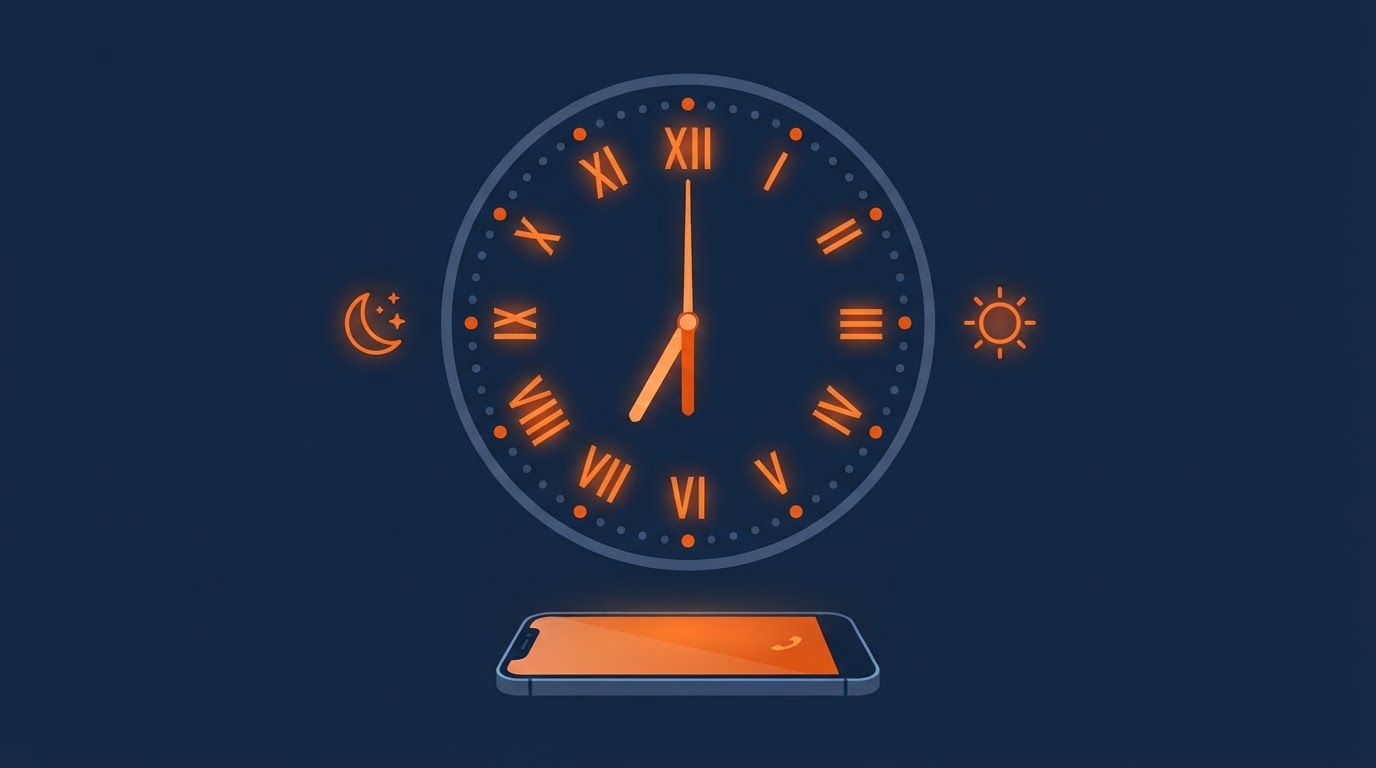
When a homeowner can't sleep because the AC just died, the first company that picks up usually gets the job. The third or fourth one never gets the chance. Being the one that always picks up is a real, measurable advantage over competitors whose calls go to voicemail after hours.
It never calls in sick, takes a vacation, or quits on short notice
Every business owner has lived through the version of this that hurts: your one person who answers the phone gets the flu, or their car breaks down, or they hand in two weeks' notice. Now you're back on the phone yourself between jobs, or worse, calls are going to voicemail while you scramble to hire. An AI receptionist doesn't get sick, doesn't need PTO, and doesn't have a bad commute. It shows up every single day, exactly the same as the day before.
That consistency is worth more than most owners realize. The voice that answers your phone is part of your brand. With a person, that voice can change without warning. With an AI, it stays steady, calm, and on-message no matter what else is going on in your week.
It never loses patience with a frustrated or rude caller
Here's something nobody puts in the job description: receptionists take a lot of heat. A customer whose AC died in the dead of summer, or whose kitchen flooded, is not calling you in a great mood. Over a long shift, even a good receptionist can get rattled by the fifth angry caller of the day — and that's the moment a job can slip away because the customer felt brushed off.
An AI receptionist doesn't have a bad day. It doesn't get defensive, it doesn't snap, and it doesn't take a frustrating caller out on the next person who calls. It answers the hundredth angry caller with the same calm, helpful tone it used on the first one. That steady tone is often the difference between calming a customer down and pushing them toward the next listing on Google.
The tone advantage
Customers don't remember exactly what your receptionist said. They remember how they felt when the call ended. A calm, patient, unbothered voice leaves them reassured — even when their problem is stressful.
It filters out the spam and sales calls that waste your day
If you've run a business for any time at all, you know the sound: the phone rings, you stop what you're doing, you wipe your hands, you pick up — and it's someone trying to sell you a new credit card processor. Or a robocall. Or a 'Google Specialist' who is definitely not from Google. These calls aren't just annoying. They cost you real time, and every time you stop to answer one, there's a window where a real customer can't get through.
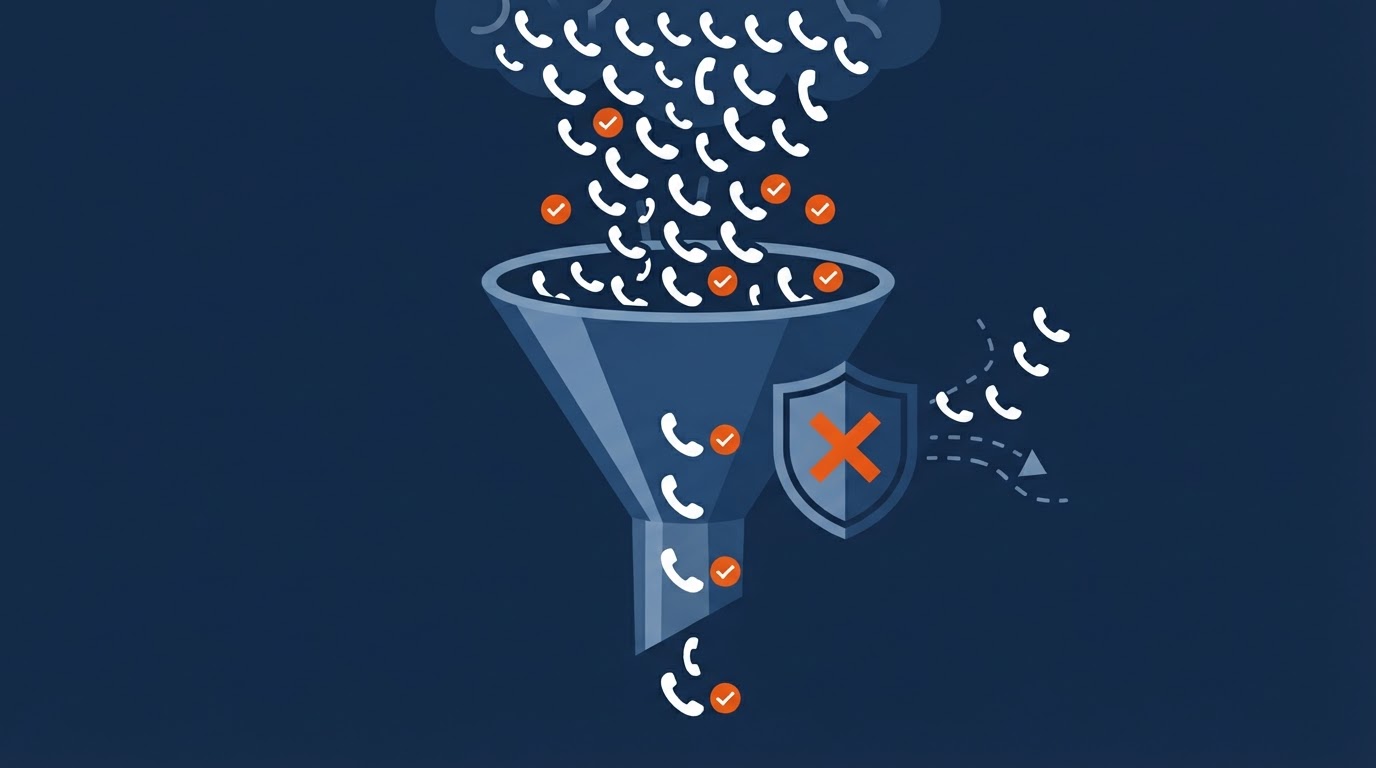
An AI receptionist can tell the difference. It recognizes telemarketers, sales pitches, and robocalls and quietly filters them out so they never reach you. A real customer calls about a leaking water heater? The AI takes down their name, their address, and what's wrong, and sends it straight to your phone. A telemarketer calls about your 'Google listing'? Handled and dropped, while you stay up on the ladder finishing the job. You only ever hear about the calls that actually matter.
It scales without you hiring or training anyone
When a business gets busy, the phone gets busy too — and that's usually the moment a single receptionist gets overwhelmed. Three calls come in at once. One's a quick question, one's a real booking, and one's a complaint. Somebody gets put on hold too long, somebody gets a rushed answer, and somebody hangs up. An AI receptionist can handle as many calls as come in at the same time, without anyone ever being put on hold. Your busiest week and your slowest week sound exactly the same to the people calling in.
It also never needs a week of training when you add a new service, change your hours, or expand into a new city. You update it once, and every caller from that point forward gets the right, up-to-date information. No retraining, no memo, no one forgetting what the new policy is.
Where it works best: right alongside a human
Here's the part that surprises most owners: an AI receptionist doesn't have to replace your person. For a lot of businesses, it works best as the backup that's always there when a human can't be. Your receptionist steps out for lunch, runs an errand, takes a well-deserved day off, or gets swamped with back-to-back calls — and in that exact moment, the AI picks up instead of letting the call roll to voicemail.
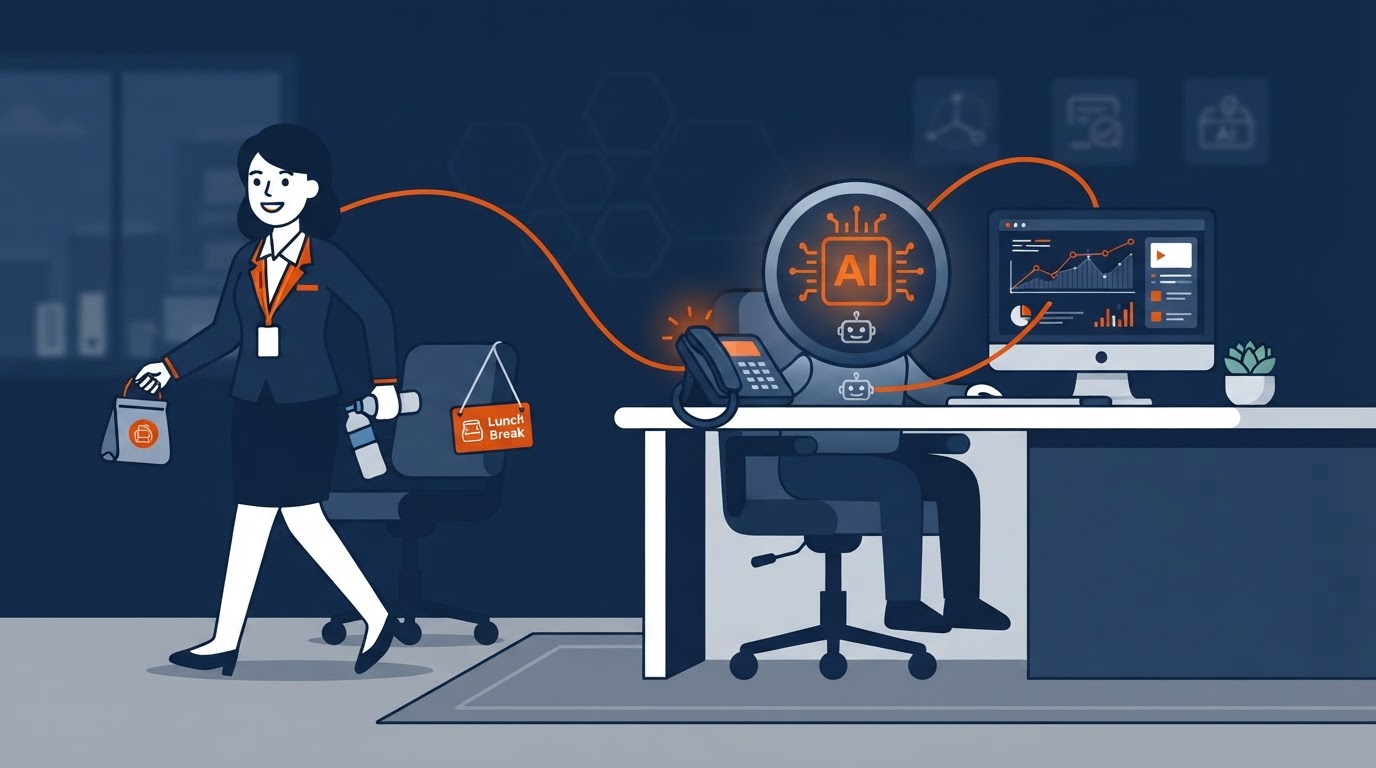
Think of it as the world's most reliable co-worker. Your human front desk handles the calls they're there for, with the warmth and personal touch that only a person can give. The AI covers everything else — the lunch break, the after-hours emergency, the second call that comes in while your receptionist is already on the phone, and the spam that would otherwise interrupt their day. Your customer never hears silence, never hits voicemail, and never gets bounced to the competition. Your receptionist gets actual breaks and less stress, and you stop losing jobs to the gaps in a normal human workday.
The way most owners actually use it
Set up the AI to answer only when your person can't — after hours, when they're on another call, or when they're away from the desk. Real customers always reach a real, helpful voice. Your human gets to take a lunch without losing the store.
It captures every detail, every time
Even the best receptionist forgets a detail now and then, especially at the end of a long day or when the calls are coming in fast. An AI receptionist doesn't. It takes down the same set of details — name, number, address, the problem, when they're available — on the first call of the day and the last, and sends a tidy summary straight to your phone. You walk into the next job already knowing exactly what the customer needs instead of piecing it together from a voicemail or a sticky note.
The bottom line
A real receptionist brings warmth and judgment that an AI can't fully match. But they also bring breaks, sick days, bad moods, and a phone that rings to voicemail whenever they're not there. An AI receptionist brings the things your customers actually notice first: every call answered, every hour of every day, with a calm voice that never gets rattled and never lets a real customer slip away to the next guy on the list. For most home service businesses, the smartest move isn't choosing one over the other — it's letting an AI cover every gap your human front desk leaves behind.
Keep reading
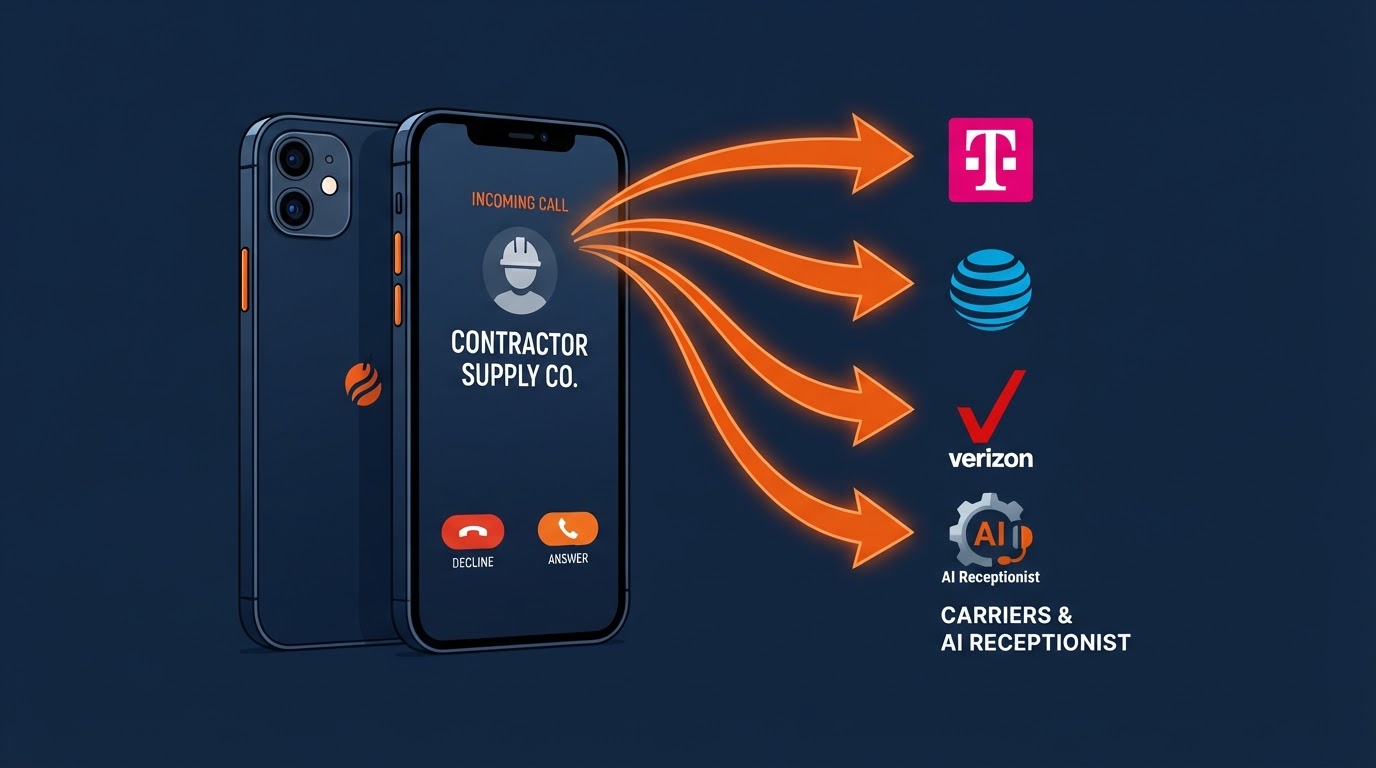
How to Set Up Call Forwarding on AT&T, Verizon & T-Mobile
A simple, step-by-step guide for non-tech owners to forward customer calls from AT&T, Verizon, T-Mobile, and more straight to your tracking number or 24/7 AI receptionist.
What is a tracking number, and why your AI receptionist needs one
A tracking number is the quiet piece behind the scenes that lets you see where every call comes from and lets your AI receptionist pick up every one. Here's how it works, in plain English.
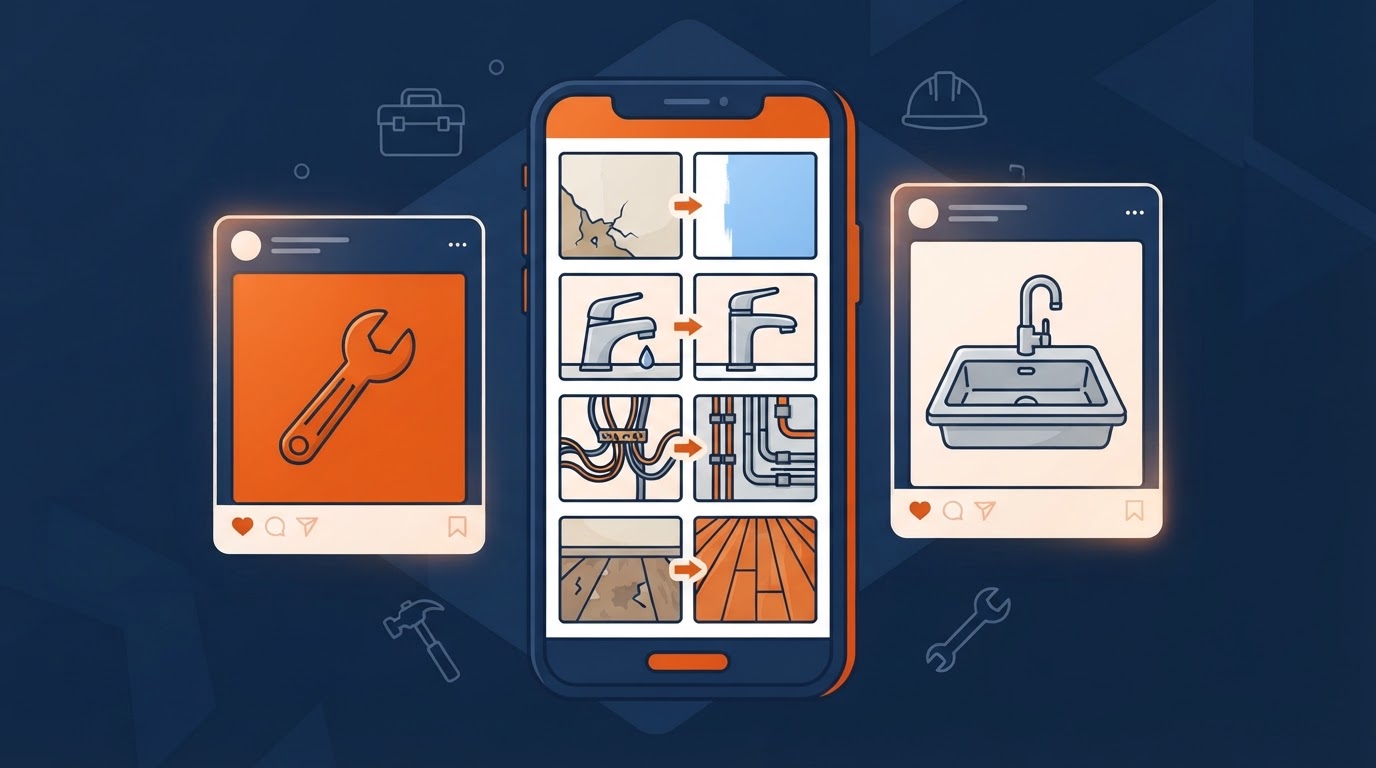
The photos and videos that win you local jobs
Real photos and short clips of your work do more than fill a page — they build trust, keep your Google listing active, and help you rank higher. Here's what to capture and why consistency is the real secret.